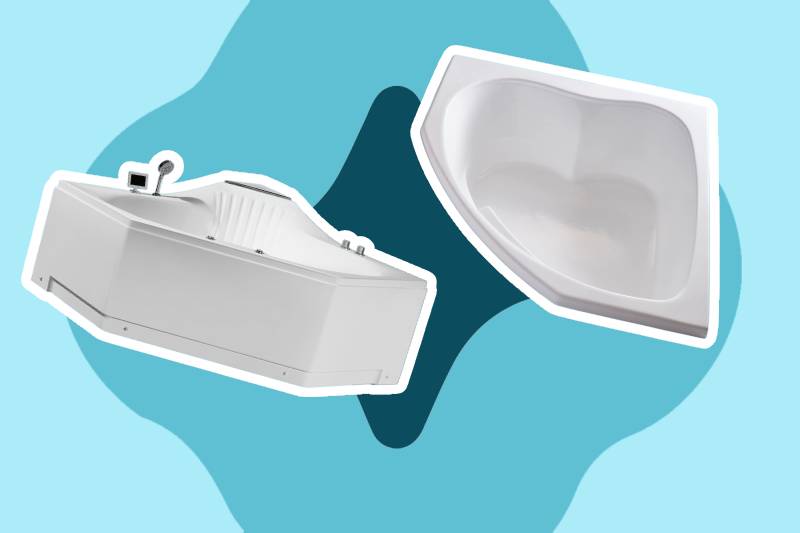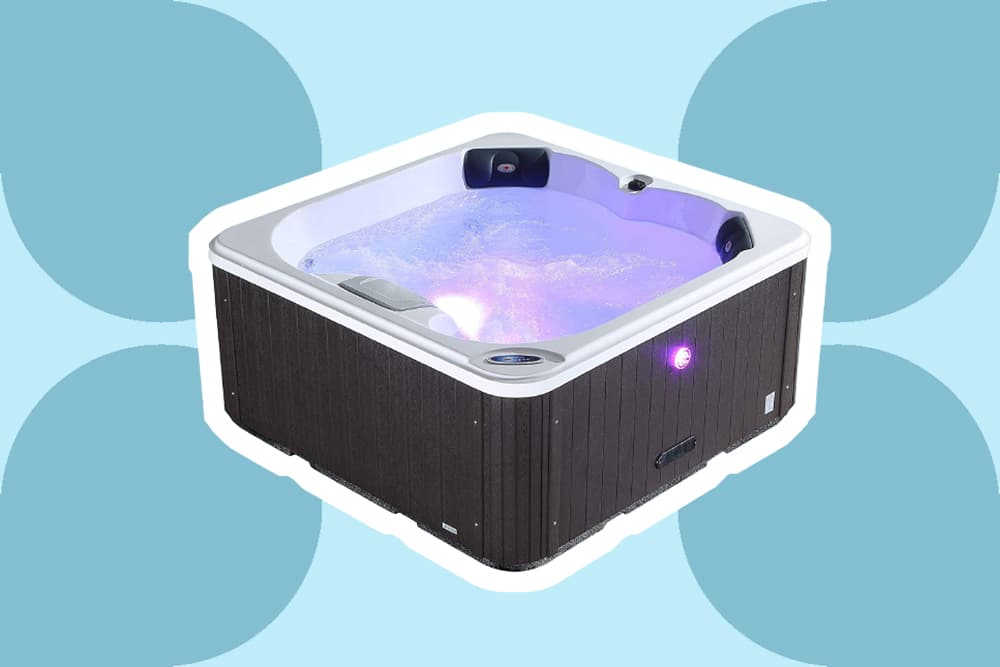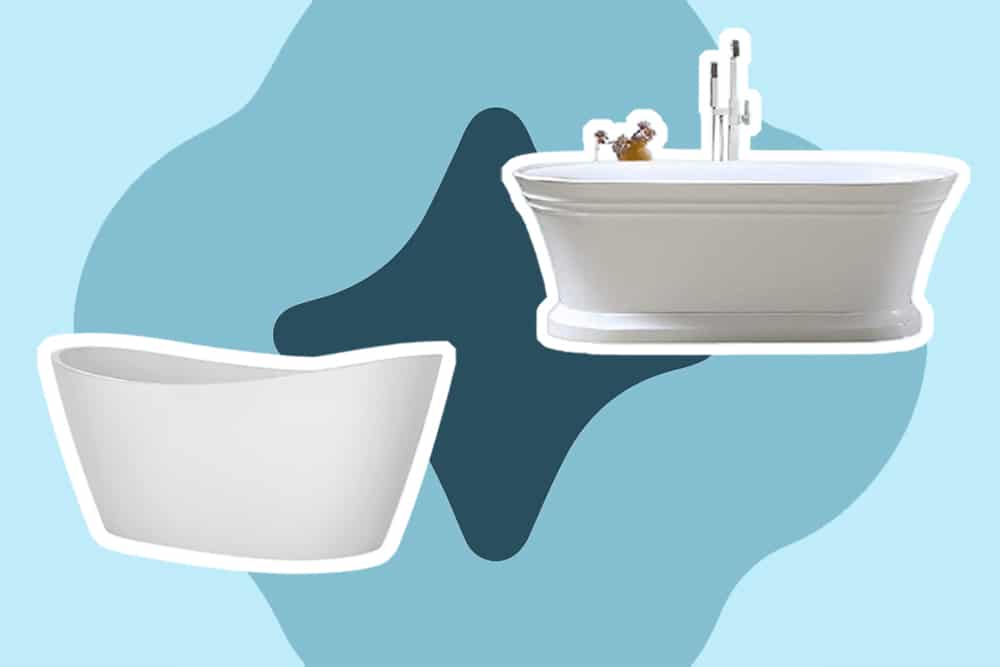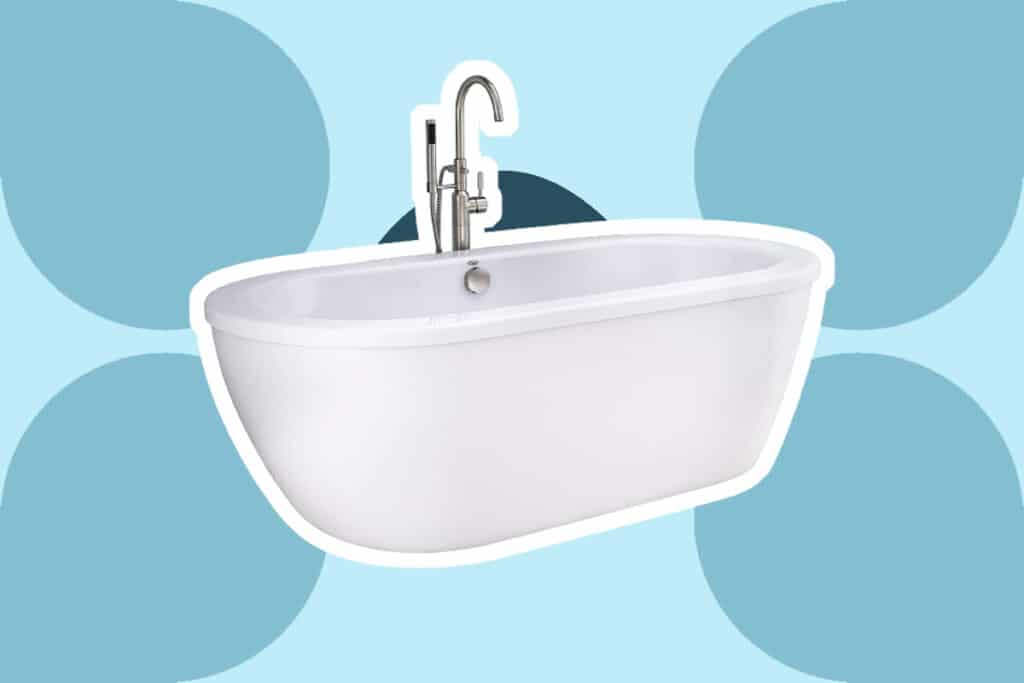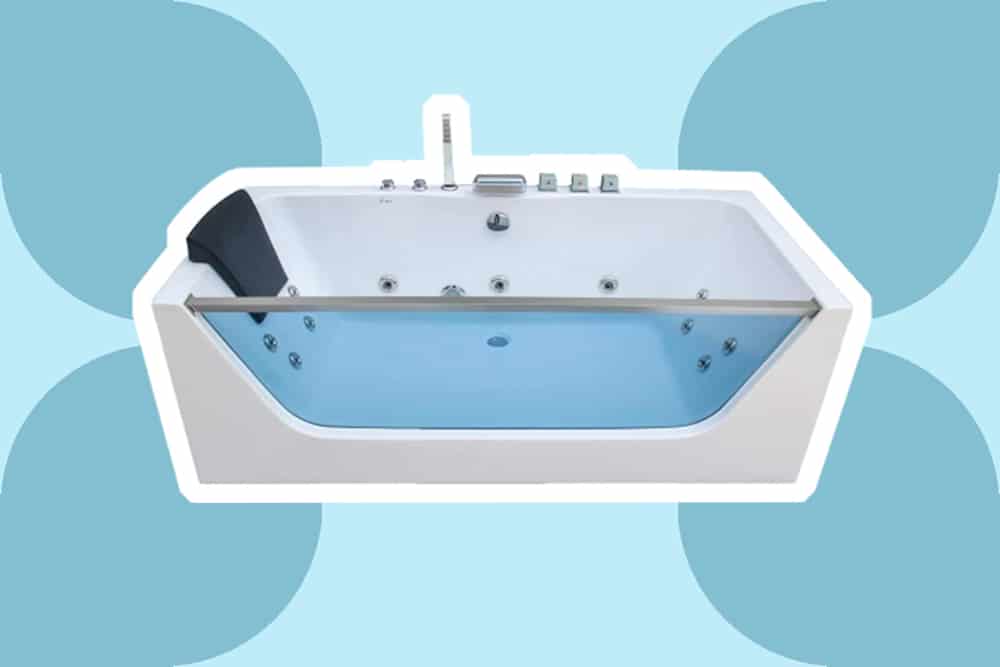


For a straightforward, full-size acrylic soak, WOODBRIDGE B0010 is the starting point. Shortlist VanityArt B5221 when floor space is tight, Empava 59JT011 for deep seated air-massage bathing, and B0034 or Sunstruck W1 only when their powered features are worth the installation. First choose the bathing posture and complete room fit; outside length alone cannot identify the most comfortable tub.
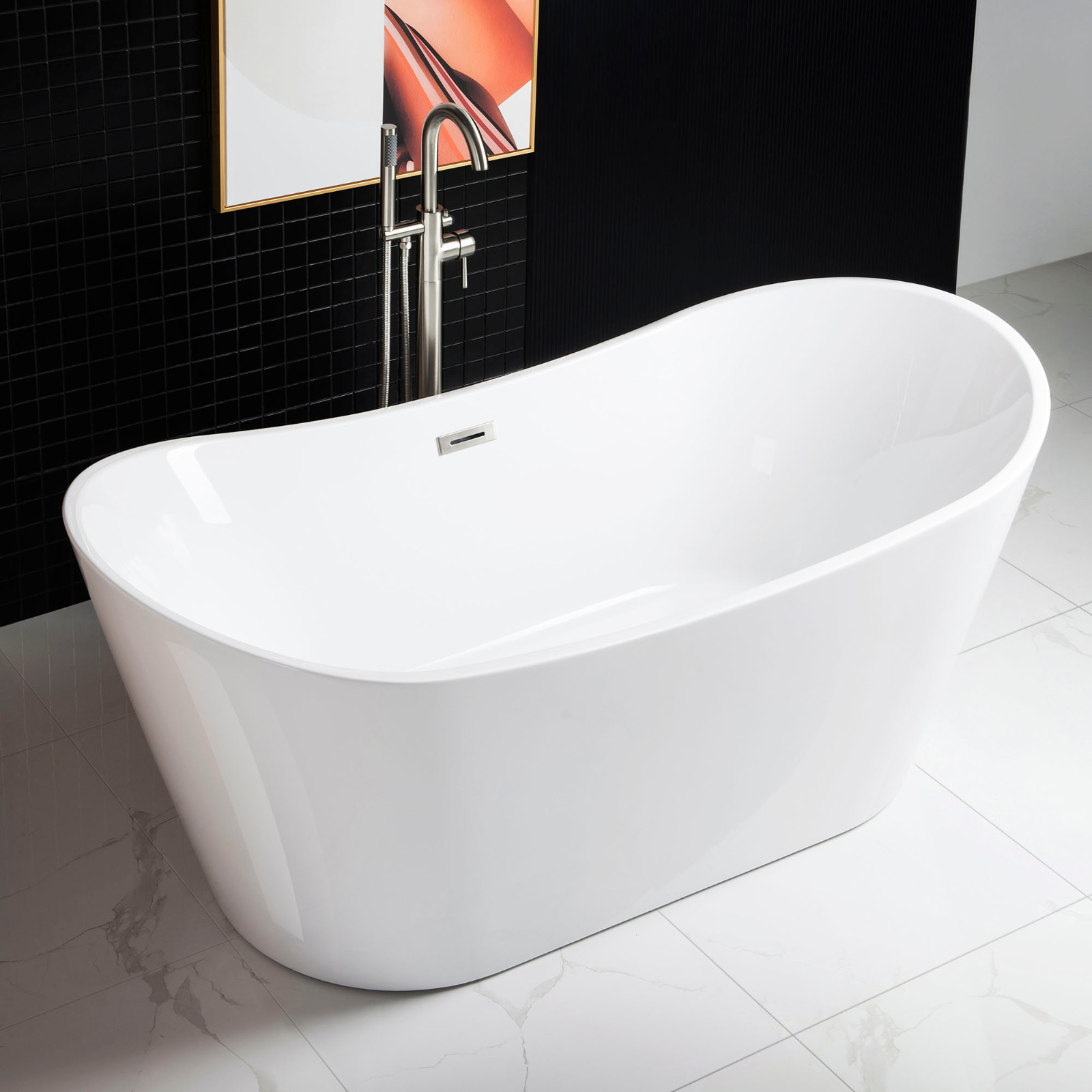
67-inch acrylic double-slipper soaker with 60-gallon capacity and included drain/overflow.

55-inch asymmetric acrylic tub for bathrooms where a 67–71 inch bath will not fit.

59-inch Japanese-style deep soaker with built-in seat and air-bubble massage.
| Tub | Best for | Type | Size | Capacity |
|---|---|---|---|---|
| WOODBRIDGE B0010 67-inch Soaking Tub | Best Overall Soaker | Soaking | 67 x 31.5 x 28.375 in. | 60 gal |
| Wyndham Collection Rebecca 60-inch | Best Design Flexibility | Soaking | 60-inch model | Check exact size spec sheet |
| VanityArt B5221 55-inch | Best Compact Soaker | Soaking | About 55.3 x 28.3 in. footprint | Check exact SKU spec |
| Empava EMPV-59JT011 Japanese Air Massage Tub | Best Deep Air-Massage | Air massage / deep soaking | 59.05 x 31.49 x 30.70 in. | 60 gal |
| WOODBRIDGE B0034 71-inch Whirlpool + Air Tub | Best Dual-Massage | Whirlpool + air | 71 x 31.5 x 29.125 in. | Large full-size tub |
| KOHLER Sunstruck K-24001-W1 60-inch Heated Bath | Best Heated Premium Soaker | Heated soaking | 60 x 34 in. class | 60 gal |
Best Overall Soaker
B0010 is the straightforward option when you want a 67-inch freestanding bath and do not need jets, a blower or heated surfaces. The double-slipper shape offers raised ends, while the included drain and overflow simplify one part of the purchase. A filler and the installation still need separate planning.
The outside length is not the same as the usable flat bathing floor. Sloped ends, the shell thickness and the center drain all affect where the bather actually sits. Compare the interior drawing with the posture you prefer, and mark the outside footprint plus filler position on the floor before committing. A large tub that technically fits can still make the room awkward to clean or circulate through.
Choose B0010 when the purpose is soaking and you value avoiding pumps and electrical service for the tub itself. Choose B0034 when both water jets and air bubbles are features you will regularly use and the room can accommodate the larger equipment and service requirements. Extra massage functions are not a free upgrade; they change the ownership and installation project.
B0010 works best when you want a clean acrylic soaker and can commit to its center-drain layout. Choose the drain and overflow finish to match the rest of the bathroom, and make sure the waste connection can be tested before the tub is finally positioned. That matters more than chasing a slightly cheaper configuration.
When the filler, cleaning gap or delivery route is constrained, compare the 55-inch VanityArt and 60-inch Rebecca first. Choosing a less dominant fixture can produce a more comfortable bathroom even when a 67-inch model can be squeezed into the floor plan.
Best Design Flexibility
Rebecca is a collection with several lengths and purchase packages. This recommendation is the 60-inch no-faucet route, not permission to mix dimensions from the 55-, 65- or 70-inch models. Its attraction is a conventional freestanding soaking format with size and trim choices that can be coordinated with the room.
A choice of sizes is useful during planning: you may like one design but discover that a shorter version leaves a better cleaning gap or circulation route. Once the size is chosen, however, lock the exact SKU before comparing prices. A different length or faucet bundle is a different purchase, not necessarily a discount on the same bathtub.
Compare Rebecca when you want a 60-inch-class soaker and its conventional shape works with the intended reclining position. Compare B5221 when reducing the outer footprint to the 55-inch class is the priority. Neither exterior length tells you how comfortably a particular person can stretch out; use the interior dimensions and backrest angle to make that decision.
Rebecca is best treated as a tub-only purchase: plan the filler, its rough-in and reach, the waste connection and the surrounding clearances separately. The spout should land comfortably inside the bowl without getting in the way of entry. If you want a bundled faucet-and-tub package, this is not the configuration I would choose.
As a plain soaker, Rebecca avoids the pump and blower maintenance of massage tubs. That simplicity is exactly why I like it for a conventional bathroom: fewer powered components, fewer service points and a calmer design. The main ownership questions are cleaning access, drain access and getting the large fixture into the room without damage.
Best Compact Soaker
55-inch B5221 configuration shown with brushed-nickel trim.
The 55-inch B5221 is for a bathroom where the freestanding look matters but a 67- or 71-inch tub would dominate the space. Its asymmetric shape makes it visually different from a conventional double-slipper bath, and the shorter exterior can free room for a filler or an easier route around the tub.
A shorter exterior does not mean every bather will be comfortable in a straight-legged position. Look at the usable bottom length, back slope, rim height and overflow level together. A tall person may prefer a deeper seated design such as the Empava, but that brings a different entry and seating arrangement rather than magically adding reclining length.
Do not assume a compact freestanding tub is an easy-entry or accessible bath. The rim still has to be stepped over, and the bathroom needs a safe way to enter, leave and dry off. A separate accessibility assessment may be appropriate when mobility or transfers are a concern; selecting the smallest tub is not a substitute for that planning.
Choose the 55-inch B5221-BN when compact exterior dimensions matter more than maximum stretch-out room. Lock in the exact size and drain/overflow finish, then plan the filler and waste connection around that footprint. If the tub has to be pushed so tightly against a wall that you cannot clean around it, the room is too small for a freestanding installation.
Choose B5221 over B0010 when preserving room around the bath is more useful than maximizing exterior length. Choose Rebecca when the larger 60-inch-class footprint is acceptable and you prefer its shape. The right comparison is usable comfort within the finished room, not a simplistic longest-tub-wins rule.
Best Deep Air-Massage
The EMPV-59JT011 uses a taller Japanese-style shell and an internal seat to create a different bathing posture. Its purpose is deeper seated immersion in a shorter footprint than many long reclining tubs. Air-bubble massage adds another experience, but it does not turn the tub into the same kind of directional water-jet system as B0034.
Consider it when you prefer sitting more upright and want immersion depth more than extended legroom. Someone who mainly wants to stretch out may still prefer a longer conventional soaker. Before ordering, compare the seat location, step-over rim and interior dimensions with how the intended bather will enter and position themselves.
A 59-inch-class exterior can be attractive in a constrained room, but the taller body changes entry and visual scale. It also needs room for the filler, waste connection and required service access. Do not assume a built-in seat makes it a transfer aid or an accessible product for every user.
A plain soaker needs no pump or blower power for bathing; this model adds a powered air system. Have the installer confirm the exact electrical requirements and accessible service arrangement from the model documentation. Learn the required cleaning and post-use procedure, including any purge routine, instead of treating the massage system like ordinary faucet plumbing.
Choose this over VanityArt B5221 because you prefer deep seated bathing, not merely because both are relatively short. Choose B0034 when you specifically want directional water massage as well as air bubbles and can accommodate the larger tub and system complexity.
Best Dual-Massage
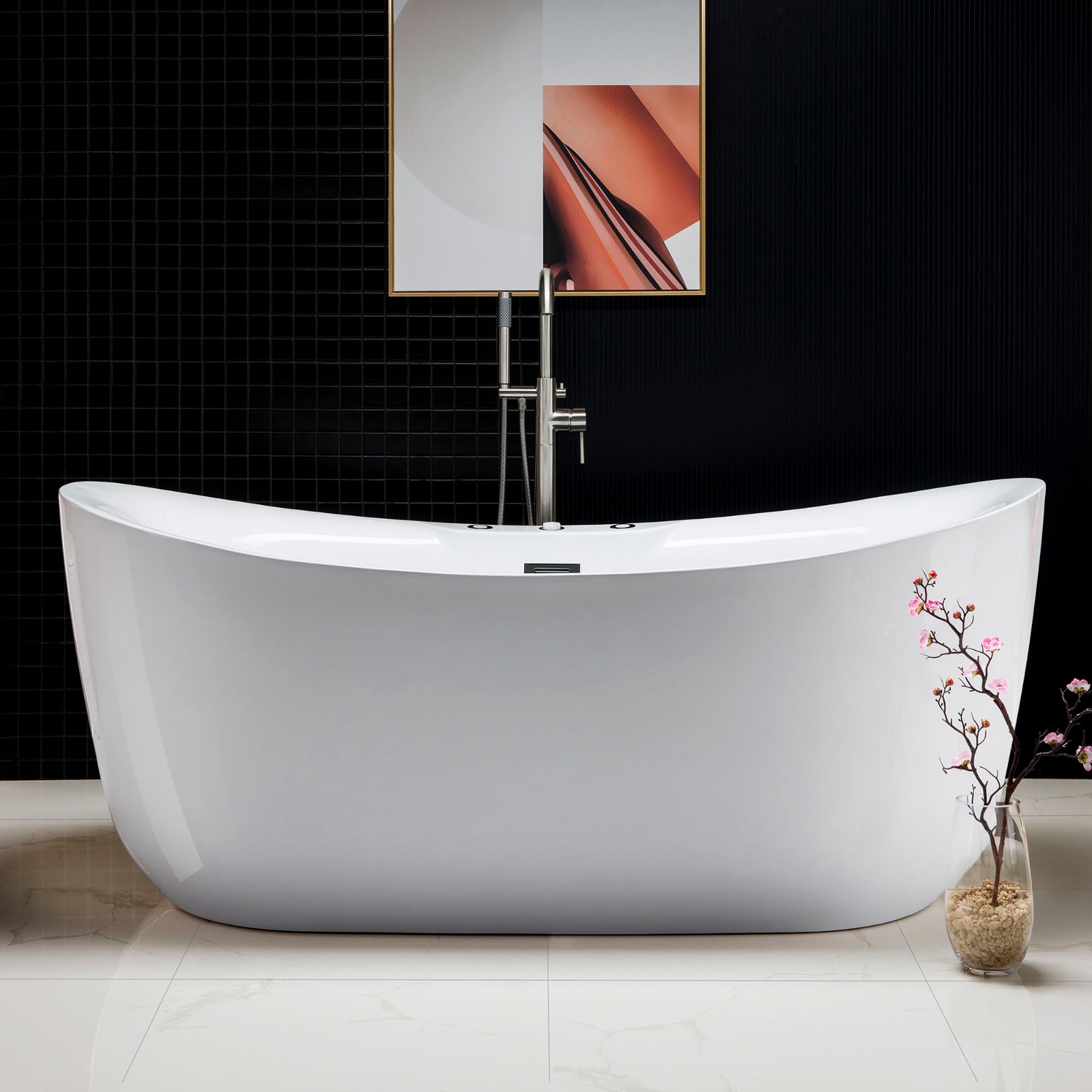
B0034 is the feature-led option for someone who wants both water jets and air bubbles. Its 71-inch double-slipper format is substantially more demanding of room space than the smaller soakers, and powered equipment adds installation and maintenance decisions that a plain acrylic tub does not have.
Directional water jets and air bubbles are different bathing experiences. Choose this because both appeal to you, rather than assuming a higher combined jet count automatically means a better bath. The fit of the shell, the location of the massage outlets and whether you will use the systems matter more than a raw count.
Ask for a quotation that covers the exact circuit requirements, protected electrical supply, service access, ventilation where specified, filler and waste connection. Do not assume a standard nearby outlet or a generic instruction for another whirlpool model is suitable. The equipment needs to remain reachable after installation; enclosing it permanently can turn a future service job into demolition.
Compared with B0010, B0034 asks more from you after installation. Water jets and air systems add real massage, but they also add cleaning, purge and service routines that a plain soaker does not have. I would buy B0034 only if you expect to use the massage features often enough to justify that extra ownership work.
If the tub will mostly be used for occasional quiet soaking, B0010, Rebecca or B5221 may deliver more of what you want with fewer dependencies. Choose B0034 only when massage, space and a serviceable installation all line up.
Best Heated Premium Soaker
Sunstruck K-24001-W1 is the premium alternative for someone who wants a warm backrest experience without selecting a whirlpool. The Bask feature heats designated contact surfaces. It should not be confused with an active bathwater heater or a guarantee that the water stays at its initial temperature.
Choose it when surface warmth is a feature you expect to appreciate during a conventional soak. Choose B0034 when the goal is water and air massage, or choose a plain soaker when avoiding powered tub equipment is the priority. Those are distinct experiences; there is little value in buying the most complicated option unless its specific benefit fits the routine.
The nominal 60 x 34-inch footprint is only the beginning. Compare interior bathing space, support at each end, drain location and the filler arrangement. A product that fits the available floor rectangle may still leave a poorly positioned spout or an awkward route around the rim.
The W1 version is the one to buy if the heated contact surface is the reason you want Sunstruck. It still needs the correct drain components, electrical planning and future access to the heating equipment. If you only want the shape and soaking experience, the unheated version is the more sensible purchase.
A nonpowered soaker such as Rebecca may be more proportionate when you are satisfied with an ordinary bath and do not want additional controls. Sunstruck earns the upgrade when the heated contact surface is a deliberate preference, the project can support it and the complete installed cost is acceptable.
A conventional soaker such as B0010, Rebecca or B5221 is the first place to look when stretching out is the goal. Compare the usable bathing-floor length, backrest slope and overflow depth together. Two tubs with similar outside lengths can feel different because their shells and slopes allocate the space differently. An attractive lifestyle photograph cannot answer those fit questions.
Empava 59JT011 is the different route: an internal seat and taller shell prioritize seated immersion. That can suit somebody who wants depth without a very long footprint, but it is not the same experience as reclining with extended legs. Check entry, the seat position and the bather’s preferred posture before assuming deep means more comfortable.
B0034 offers water and air massage; Empava is the deep seated air-massage choice; the Sunstruck W1 version adds heated contact surfaces. Those features should be compared by the experience they provide, not grouped as interchangeable spa upgrades. A heated surface is not a bathwater heater, and an air system is not a directional water-jet system.
Choose a nonpowered tub when you mainly want occasional soaking, simpler installation and fewer powered components to maintain. More features can add pleasure when used, but can also add service and cleaning requirements. Buying the simplest tub that provides the preferred posture is often more useful than maximizing length, depth or jet count.
Mark the tub footprint, filler and approach space on the floor. Include the space needed to clean around the exterior and operate nearby doors, drawers and shower screens. A tub can fit a measured rectangle while still creating an awkward finished bathroom. Do not borrow a universal clearance number from another installation: check the product and project requirements.
Judge a freestanding tub by its interior, not just the headline exterior length. Look at the flat base, back slopes, built-in seat if present and overflow height. Rim height is not usable water depth, and published capacity does not tell you exactly how much water a particular bather will use.
Check where the floor waste connection sits relative to the tub drain, then confirm filler reach and outlet height. A floor-mounted filler may need its own concealed rough-in. Match the filler finish with the drain and overflow deliberately; do not let the tub shape make those plumbing details an afterthought.
Compare the packed dimensions as well as the tub itself against doorways, stair turns and the route to the bathroom. Confirm whether delivery is curbside or includes moving the fixture inside. Arrange inspection and handling before booking the final installation. A large fixture that arrives at the property is not necessarily already in the room where it will be installed.
Assess the installed tub, water, bather and any relevant fixtures as a complete load. The empty acrylic shell can look light compared with what it holds in use. Floor suitability depends on the actual building and load path, not simply dividing a total weight by the outside footprint. Have a qualified professional assess a questionable structure rather than treating a product weight capacity as permission for any floor.
Ask the installer whether the water-heating system can support the desired bathing volume under normal household use. As a simple illustration, delivering 30 gallons at an actual average of 5 gallons per minute takes about six minutes, before allowing for adjustments or interruptions. This is arithmetic, not a claimed fill time for any tub or a recommendation to increase water temperature. Check the actual filler and supply conditions.
Whirlpool, air-massage and heated-surface models introduce equipment that must remain accessible according to the exact manual. Have an electrician and plumber coordinate the required circuit protection, equipment location and access before finishes are completed. Do not substitute instructions for a visually similar unpowered model or assume one nearby outlet covers every powered-tub design.
Follow the installation instructions for inspecting and testing the waste, overflow and any powered system before the final placement makes correction difficult. Arrange responsibility for documenting that test with the installer. An included drain assembly reduces one shopping task; it does not prove the complete installed connection is leak-free.
Read the permitted cleaning instructions and avoid assuming every bathroom chemical or abrasive pad is suitable. Keep the exterior cleaning gap realistic: a narrow unreachable space behind a freestanding shell is an ongoing inconvenience. Consider access to the drain and overflow as well as how easily the visible surface wipes clean.
Get the model-specific cleaning, purge and bath-product restrictions before purchase. A water-circulating system has a different maintenance routine from a plain shell; an air system has its own instructions. Do not use a generic whirlpool cleaning recipe from a different brand. Massage is more valuable when the owner is comfortable with the routine required to keep the actual system in good condition.
Check the controls, permitted cleaners and service route for the heating equipment. Bask is a contact-warming feature, so judge the upgrade on that experience rather than expecting it to replace a water heater. Someone who is satisfied with an ordinary soak may prefer to spend the difference on a better-fitting shell or a more convenient filler.
Price the complete project: tub, drain and overflow if separate, filler and rough-in, waste connection, handling, professional installation and any required electrical work. For a large fixture, also plan how it will be inspected for shipping damage before installation. The cheapest bare tub can easily become the more expensive project once missing parts and extra labor are added.
Compare B0010 with Rebecca when choosing a conventional soaking shape and deciding how much floor space to devote to it. Compare B5221 with Rebecca when preserving room around the bath is the main issue. Compare Empava with B5221 only after deciding whether seated immersion or a more conventional reclining posture is preferred.
Compare B0034 with Sunstruck only after you have decided that a powered tub is worth the extra installation. B0034 is about active water-and-air massage; Sunstruck W1 is about warm contact surfaces during a normal soak. If neither feature feels essential, a plain soaker is the better-value purchase.
There is no universal size. A 55–60 inch tub can fit smaller rooms, while 65–71 inch tubs give more stretch-out space. Use the interior basin dimensions and bather height, not exterior length alone.
Sometimes. The answer depends on the structure and the tub’s filled load. Heavy tubs and large-capacity baths deserve a structural check, especially on upper floors.
You need a filler that can reach over the tub rim and supply the required flow. Many freestanding tubs are paired with floor-mounted fillers, but wall/deck arrangements can work when the manufacturer and layout allow them.
Yes. They add pumps/blowers, electrical protection and future service-access needs beyond the drain and filler work of a plain soaking tub.